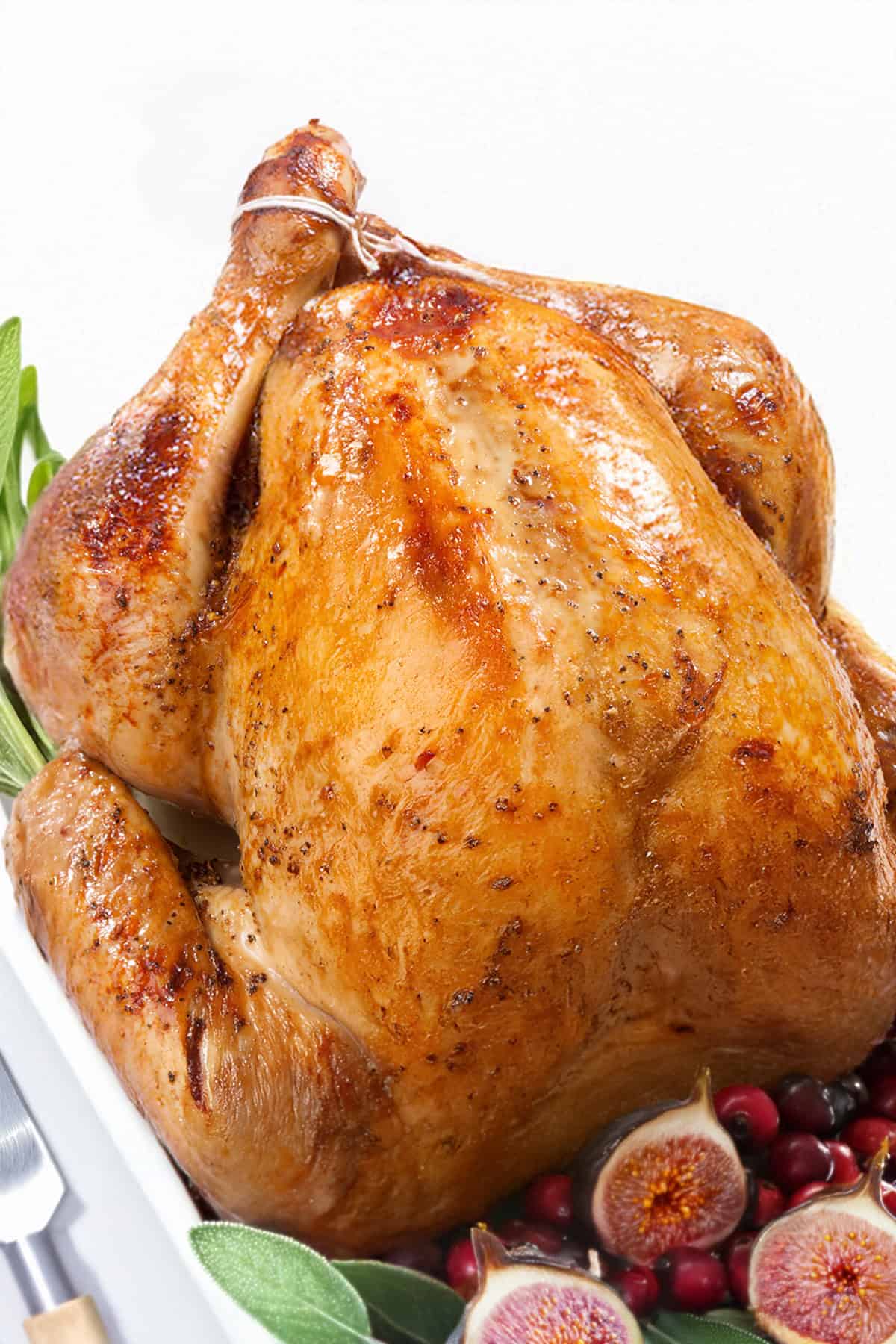
Foolproof Overnight Turkey: Your Secret to Brined, Buttery & Perfectly Tender Holiday Feasts
Imagine waking up on a holiday morning, not to the frantic rush of cooking, but to the intoxicating aroma of a perfectly roasted turkey. This isn't a dream; it's the reality offered by the revolutionary method of preparing an
overnight slow roasted turkey. This foolproof approach transforms the most intimidating part of any festive meal into an effortless culinary triumph. With a strategically balanced brine, a generous butter rub, and the magic of low, slow heat, you'll achieve a turkey that boasts irresistibly crispy skin, an incredibly juicy and flavorful interior, and tenderness that melts in your mouth. Forget the early alarms and constant basting; your journey to a show-stopping, stress-free turkey begins tonight.
Why Overnight Slow Roasting is Your New Turkey Secret Weapon
The concept of an
overnight slow roasted turkey isn't just a time-saver; it's a game-changer for anyone looking to serve a memorable meal without the usual culinary anxiety. This method leverages the power of low-temperature cooking over an extended period, allowing the turkey to gently cook to perfection while you sleep. The benefits are profound:
*
Stress-Free Morning: One of the biggest advantages is liberating precious oven space and your morning hours. Imagine having your centerpiece ready to rest and carve, leaving you free to focus on side dishes, spending time with loved ones, or simply enjoying a leisurely cup of coffee.
*
Unrivaled Tenderness and Juiciness: The low, consistent heat slowly breaks down connective tissues, resulting in exceptionally tender meat. The gentle cooking also minimizes moisture loss, ensuring every bite is succulent and juicy, from breast to thigh.
*
Deep Flavor Development: The prolonged cooking time allows flavors from your brine, herbs, and aromatics to deeply penetrate the meat, creating a more complex and satisfying taste profile that traditional high-heat roasting often can't match.
*
Foolproof for Beginners: Because the temperature is so low, there's a wider margin for error, making it incredibly forgiving for novice cooks. It's truly a "set it and forget it" approach that delivers professional-level results.
By embracing this technique, you’re not just cooking a turkey; you're orchestrating a symphony of flavors and textures designed to impress without the stress.
The Foundation: Choosing and Preparing Your Perfect Bird
The success of your
overnight slow roasted turkey begins long before it ever enters the oven. Careful selection and thoughtful preparation lay the groundwork for a truly spectacular meal.
Selecting Your Turkey
*
Size Matters: For optimal results with overnight slow roasting, aim for a smaller to medium-sized bird, typically between 8.8 to 14 pounds (4 to 6.3 kg). This size range ensures even cooking throughout and helps prevent any parts from drying out during the long cook time. A 12-14 pound turkey is ideal for serving 10-12 people generously.
*
Quality Over Quantity: Whenever possible, opt for free-range or organic turkeys. These birds often have a superior flavor profile and more tender meat due to their diet and living conditions. Look for fresh turkey in the poultry section for the best taste and texture.
*
Thawing Safely: If you're using a frozen turkey, proper thawing is non-negotiable for food safety. Allow ample time for thawing in the refrigerator—approximately 24 hours for every 4-5 pounds (1.8-2.3 kg) of turkey weight. Plan ahead; a 14-pound bird could take 3-4 days to thaw completely. Never thaw at room temperature.
Essential Preparation Steps
Once your turkey is thawed and ready, a few crucial steps ensure it's prepared for its overnight journey:
1.
Remove the Innards: Reach into both cavities of the turkey and remove the giblets and neck. These can be saved for gravy or discarded.
2.
Rinse and Pat Dry: Rinse the turkey inside and out with cold water. The most critical step here is to
thoroughly pat the turkey dry with paper towels. A dry surface is essential for achieving that coveted crispy skin. Don't skip this!
3.
Brining – The Ultimate Secret: This is where the magic truly begins for a perfectly tender and flavorful turkey. Brining is a process where the turkey soaks in a saltwater solution, often infused with herbs and spices. It works by causing the turkey meat to absorb extra moisture and flavor, which then translates to a juicier, more seasoned bird that is incredibly difficult to dry out during cooking. We'll delve deeper into crafting the perfect brine next.
4.
Trussing (Optional but Recommended): Trussing involves tying the turkey's legs together and securing the wings close to the body with kitchen twine. This helps the turkey cook more evenly, prevents the wing tips from burning, and results in a more compact, appealing presentation.
The Magic Unfolds: Brining, Buttering, and Slow Roasting
With your turkey prepped, it's time to infuse it with flavor and set it up for its long, gentle cook. This combination of brining and buttery goodness is what transforms your bird into a truly unforgettable experience.
Crafting the Perfect Brine
A well-balanced brine is the cornerstone of a truly exceptional
overnight slow roasted turkey. Beyond just salt, a good brine introduces a spectrum of flavors that penetrate deep into the meat.
*
The Science of Brine: Brining works through osmosis and diffusion. The salty solution helps muscle fibers relax and absorb water, while also tenderizing the meat. When done correctly, it creates a built-in moisture barrier, ensuring your turkey remains juicy even after hours in the oven.
*
Basic Brine Recipe: For every gallon (3.8 liters) of water, dissolve 1 cup (250g) of kosher salt and 1/2 cup (100g) of brown sugar.
*
Flavor Infusion: Elevate your brine with aromatics. Consider adding:
* Bay leaves
* Whole black peppercorns
* Fresh rosemary and thyme sprigs
* Halved oranges or lemons
* Garlic cloves (smashed)
* Onion quarters
*
Brining Process: Ensure your turkey is completely submerged in the chilled brine. Brine for 12-24 hours in the refrigerator. Any longer can make the turkey overly salty or give it a cured texture. After brining, remove the turkey, rinse it thoroughly under cold water to remove excess salt, and pat it bone-dry, inside and out. This rinsing and drying step is crucial!
The Buttery Finish for Golden Skin
Once brined and dried, your turkey is ready for its buttery embrace. This step is key to achieving that rich, golden-brown, crispy skin.
*
Butter Rub: Soften unsalted butter (about 1/2 cup for a 12-14 lb bird). Gently loosen the skin over the breast and thighs, being careful not to tear it. Rub a generous amount of softened butter directly onto the meat under the skin. Then, spread the remaining butter all over the exterior skin of the turkey.
*
Optional Enhancements: Mix fresh herbs (like sage, thyme, rosemary) or minced garlic into the softened butter for extra flavor. You can also use olive oil, but butter contributes to a richer flavor and superior browning.
Setting Up for the Overnight Cook
1.
Roasting Pan & Rack: Place the turkey breast-side up on a V-rack or flat roasting rack set inside a sturdy roasting pan. This elevates the turkey, allowing air to circulate and promoting even cooking and crispy skin.
2.
Aromatics in the Cavity: Stuff the turkey cavity loosely with aromatics like halved onions, carrots, celery stalks, and extra sprigs of herbs. These contribute moisture and subtle flavor from the inside out. Avoid dense stuffing if you want to maintain the "foolproof" aspect, as it can extend cooking times and requires reaching specific internal temperatures.
3.
Oven Temperature: Preheat your oven to a very low temperature – typically 120°C (250°F) or the absolute lowest setting your oven can maintain (some go as low as 100°C/200°F). Consistency is key here; try not to open the oven door frequently, as this causes temperature fluctuations.
4.
The Overnight Cook: Place the turkey in the preheated oven. Cook for approximately 6-8 hours for a 12-14 pound turkey. Smaller birds might cook slightly faster. The beauty of this method is that it's quite forgiving; an hour more or less won't ruin it.
5.
Internal Temperature: The most crucial step for food safety and perfection is checking the internal temperature with a reliable meat thermometer. The turkey is done when the thickest part of the breast reaches 74°C (165°F) and the thickest part of the thigh reaches 80°C (180°F). While 165°F is generally the safe temperature, dark meat often benefits from a slightly higher temperature to become fork-tender.
Resting and Carving for Optimal Juiciness
Once your
overnight slow roasted turkey emerges from the oven, it's not quite ready for the carving board. The resting period is just as vital as the cooking itself.
*
The Importance of Resting: Tent the turkey loosely with foil and let it rest for at least 30-60 minutes. This allows the muscle fibers to relax and reabsorb all those delicious juices that have migrated to the center during cooking. Skipping this step results in dry, less flavorful meat.
*
Carving with Confidence: Once rested, carve your turkey against the grain with a sharp knife. This ensures maximum tenderness in every slice.
Troubleshooting and Expert Tips for Your Overnight Slow Roasted Turkey
Even with a foolproof method, a few expert tips can elevate your
overnight slow roasted turkey from great to absolutely legendary.
*
Oven Calibration: Ovens can vary. If you find your turkey cooks faster or slower than expected, consider investing in an inexpensive oven thermometer to verify your oven's true temperature.
*
Achieving Extra Crispy Skin: While the butter rub helps, if you desire an ultra-crispy skin, you can blast the turkey at 200°C (400°F) for the last 15-20 minutes after it's reached its internal temperature. Watch it carefully to prevent burning.
*
Gravy from Drippings: Don't let those flavorful pan drippings go to waste! Use them as the base for an incredible homemade gravy. Just be mindful of the salt content if you brined the turkey; you may need less added salt.
*
Prepping Ahead: You can prepare your brine a day or two in advance. Once the turkey is brined and dried, you can even apply the butter rub and aromatics several hours before it goes into the oven. This further streamlines your holiday morning.
*
For more detailed insights on how to achieve that perfect stress-free turkey, check out our guide on Sleep Your Way to a Juicy, Stress-Free Overnight Roasted Turkey. And if you're looking to truly Master the Overnight Slow Roasted Turkey: Juicy & Easy!, we have even more tips waiting for you.
Embracing the overnight slow roasted turkey method isn't just about cooking; it's about transforming your holiday experience. By leveraging the power of a well-balanced brine, a generous application of butter, and the magic of low, slow heat, you unlock a world of flavor, tenderness, and stress-free enjoyment. This isn't merely a recipe; it's an invitation to savor the moments, knowing your centerpiece is lovingly cooking itself to perfection while you rest. Say goodbye to culinary anxiety and hello to the most effortlessly delicious, brined, buttery, and perfectly tender turkey you've ever served. Give this foolproof technique a try, and prepare to impress your guests and yourself with a holiday meal that's truly unforgettable.