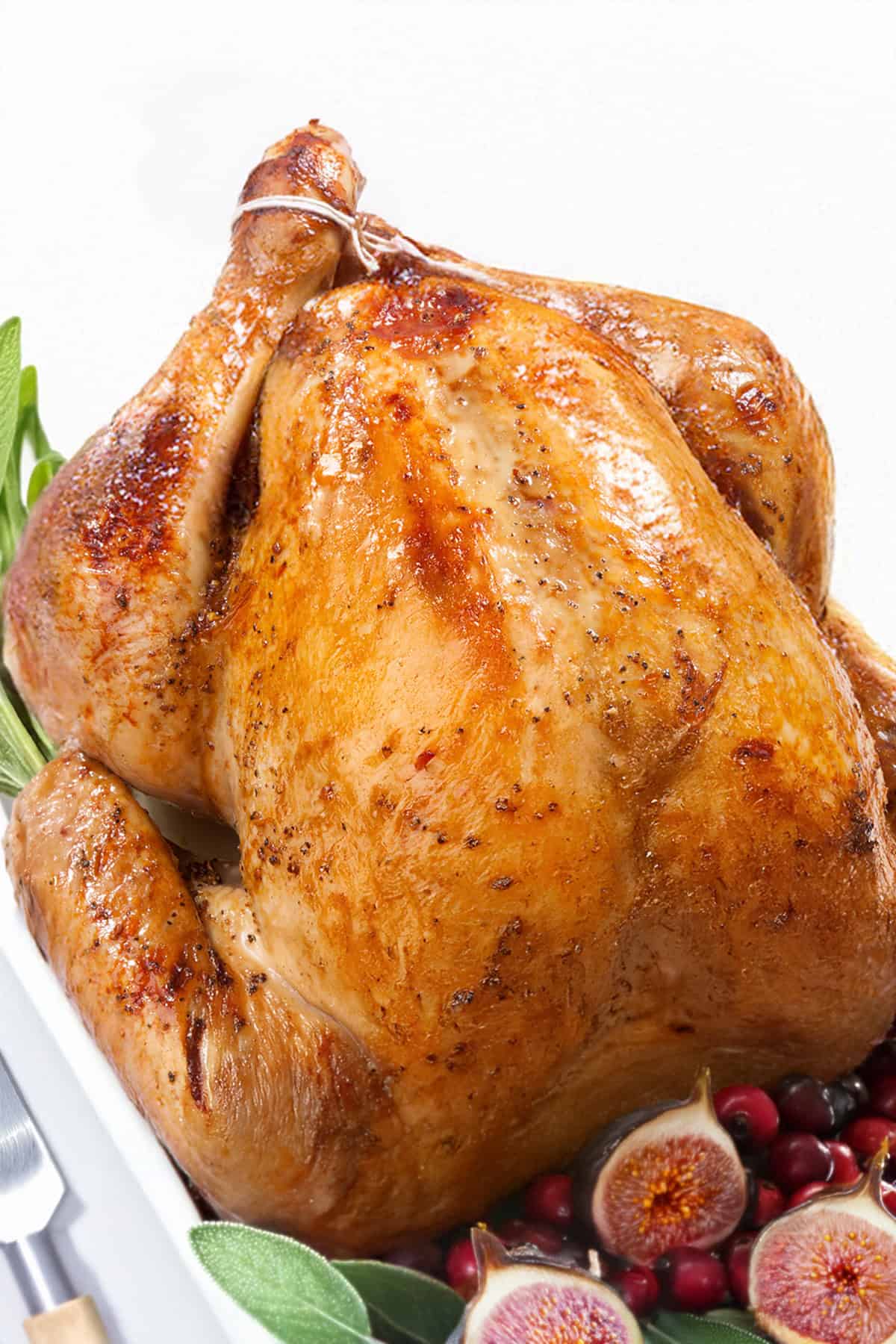
Unlock the Secret to a Stress-Free, Flavorful Feast with Overnight Slow Roasted Turkey
Imagine waking up on a holiday morning, not to the frantic rush of cooking a massive bird, but to the comforting aroma of a perfectly roasted turkey, ready to be carved. This isn't a dream – it's the incredible reality of mastering the
overnight slow roasted turkey. This ingenious method transforms the daunting task of turkey preparation into an effortless culinary triumph, delivering a bird that is exquisitely juicy, unbelievably tender, and bursting with rich, savory flavor. Forget dry, bland turkey; this foolproof technique promises a show-stopping centerpiece with crispy, golden skin and a succulent interior, all while you get your beauty sleep.
Whether you're a seasoned chef or a first-time holiday host, the overnight slow roast method is a game-changer. It takes the pressure off, allowing you to focus on cherished moments and other festive dishes, knowing your star attraction is being cooked to perfection, slowly and gently.
Why Overnight Slow Roasting is Your New Holiday Tradition
The allure of the
overnight slow roasted turkey extends far beyond mere convenience. It's a method that inherently enhances the quality of your finished bird, making it superior in taste and texture.
*
Unrivaled Juiciness and Tenderness: The magic of slow roasting lies in the low, consistent heat. Unlike high-heat roasting, which can quickly dry out the turkey's leaner breast meat, slow cooking allows the connective tissues to gradually break down. This process keeps the meat incredibly moist and tender from bone to skin, preventing that dreaded dry texture often associated with turkey. The prolonged exposure to gentle heat encourages the natural juices to redistribute, resulting in a consistently succulent bite every time.
*
Deeply Developed Flavor: Time is a powerful ingredient. With hours in the oven, the carefully chosen herbs, spices, and brining agents have ample opportunity to penetrate the meat, infusing every fiber with a profound depth of flavor that quick roasting simply cannot achieve.
*
Stress-Free Holiday Mornings: Perhaps the most appealing benefit is the sheer reduction in morning stress. Your turkey is cooking while you sleep, freeing up precious oven space and allowing you to dedicate your morning to family, preparing side dishes, or simply relaxing with a cup of coffee. No more waking at dawn to begin a marathon cooking session! For more insights into stress-free cooking, check out our guide on
Sleep Your Way to a Juicy, Stress-Free Overnight Roasted Turkey.
*
Foolproof Results: The low temperature cooking window is incredibly forgiving. It's far less likely to overcook or burn, making it an ideal method for beginners and experienced cooks alike who want guaranteed delicious results.
Selecting and Preparing Your Perfect Turkey
The journey to a magnificent
overnight slow roasted turkey begins long before it ever enters the oven. Careful selection and proper preparation lay the groundwork for success.
Choosing the Right Bird
For optimal flavor and tenderness, seek out a free-range or organic turkey. These birds typically have better muscle development and richer flavor. When it comes to size for overnight roasting, a smaller to medium-sized bird is ideal, specifically in the 12-14 pound (5.4-6.3 kg) range. This size is manageable for even cooking in a standard oven and comfortably serves 10-12 people. Fresh turkey from the poultry section is always preferred for peak taste, but frozen is perfectly acceptable with proper thawing.
The Thawing Process: Safety First!
If using a frozen turkey, adequate thawing is absolutely critical for food safety and even cooking. The safest method is in the refrigerator, allowing approximately 24 hours of thawing time for every 4-5 pounds (1.8-2.3 kg) of turkey. So, a 12-pound turkey would need at least 3 days in the fridge. Plan ahead! Never thaw a turkey at room temperature. For faster thawing, a cold water bath (changing the water every 30 minutes) can be used, but this requires constant attention and more frequent water changes.
Pre-Roast Preparations
Once thawed, remove the turkey from its packaging. Reach into the cavity and remove the giblets and neck; these can be saved for gravy if desired. Rinse the turkey thoroughly, both inside and out, with cold water. The most crucial step here is to *pat the turkey absolutely dry* with paper towels. Removing all surface moisture is essential for achieving that desirable crispy skin later on.
Crafting Unforgettable Flavor: Brine, Butter, & Aromatics
The depth of flavor in an
overnight slow roasted turkey is a direct result of thoughtful seasoning and preparation.
The Power of Brining
Brining is a non-negotiable step for an exceptionally juicy and flavorful turkey. A good brine introduces moisture and seasoning deep into the meat, ensuring it remains succulent even after hours of roasting. A savory herb brine typically includes a balanced mix of salt, a touch of sugar (for browning), and aromatic elements like fresh rosemary, thyme, bay leaves, black peppercorns, garlic, and even citrus peels (orange or lemon). Submerge your turkey in this solution for 12-24 hours in the refrigerator. This process transforms the turkey from good to truly extraordinary. Dive deeper into this crucial step with our article on
Foolproof Overnight Turkey: Brined, Buttery & Perfectly Tender.
The Buttery Rub
After brining (and thoroughly rinsing and patting dry again!), a generous butter rub will contribute immensely to both flavor and skin crispiness. Mix softened unsalted butter with your favorite herbs and spices – think sage, thyme, garlic powder, onion powder, paprika, and a pinch of cayenne for a subtle kick. Gently lift the skin over the breast and thighs and spread a good amount of this herbed butter directly onto the meat. Then, apply another layer generously over the entire exterior of the turkey. This not only moisturizes the skin but also helps it achieve a beautiful golden-brown color.
Aromatic Infusion
Stuffing the turkey cavity with aromatics adds an internal layer of flavor and moisture. Halved onions, carrots, celery stalks, garlic cloves, and citrus halves (like lemon or orange) are excellent choices. These ingredients release steam and subtle essences that permeate the bird from the inside out. While delicious, for slow roasting, it's generally best to avoid traditional bread-based stuffing inside the turkey itself, as it can hinder even cooking and make internal temperature checks more challenging. If you desire stuffing, bake it separately.
Trussing for Perfection
Trussing, or tying the turkey with kitchen twine, helps the bird cook more evenly and maintains a compact, appealing shape. It secures the legs and wings close to the body, preventing them from drying out or burning before the rest of the turkey is cooked through.
The Slow Roasting Process: Set It and Forget It (Mostly!)
Now for the heart of the matter – the actual roasting of your
overnight slow roasted turkey.
Oven Temperature and Setup
Preheat your oven to a consistently low temperature, typically 120°C (250°F), or your oven's lowest setting. Place the prepared turkey, breast side up, on a sturdy V-rack or a roasting rack set inside a large roasting pan. This elevates the turkey, allowing hot air to circulate all around it and preventing the bottom from becoming soggy. You can add a cup or two of chicken broth or water to the bottom of the pan to help keep the environment moist and provide drippings for gravy.
Cooking Time and Monitoring
For a 12-14 pound turkey at 120°C (250°F), expect a cooking time of approximately 6-8 hours, or indeed, overnight. While basting with pan drippings every few hours can add a little color and moisture, it's less critical with a brined and butter-rubbed bird cooking at such a low temperature. Resist the urge to frequently open the oven, as this causes temperature fluctuations.
The All-Important Internal Temperature
Food safety is paramount. The turkey is fully cooked when it reaches a safe internal temperature. Use a reliable meat thermometer inserted into the thickest part of the breast (avoiding bone) and the thickest part of the thigh. The breast should read 74°C (165°F), and the thigh should register 80°C (180°F). Remember, temperature, not time, is your ultimate indicator of doneness.
Achieving That Golden, Crispy Skin
While slow roasting ensures tenderness, it doesn't always deliver super crispy skin right out of the gate. Here’s the secret: once your turkey reaches the safe internal temperature, remove it from the oven, turn the oven heat up to 200-220°C (400-425°F). Return the turkey to the hot oven for an additional 20-30 minutes, keeping a close eye on it, until the skin is beautifully golden-brown and delightfully crisp. This final blast of high heat works wonders.
The Essential Resting Period and Carving
Even after your
overnight slow roasted turkey emerges from the oven, there's one final, crucial step: resting.
Once cooked, transfer the turkey to a large cutting board. Tent it loosely with foil and allow it to rest for a minimum of 30-60 minutes. This resting period is not optional; it allows the juices, which have migrated to the center of the bird during cooking, to redistribute evenly throughout the meat. The result is a more tender, flavorful, and incredibly juicy turkey. If you skip this step, the juices will run out onto your cutting board, leaving you with drier meat.
After resting, carve your magnificent bird using a sharp knife. Slice against the grain to ensure maximum tenderness.
Embrace the Ease, Savor the Flavor
The
overnight slow roasted turkey truly is a game-changer for anyone seeking to create a memorable, stress-free, and utterly delicious centerpiece for their holiday table or any special gathering. By combining careful preparation with the forgiving nature of low and slow cooking, you’ll unlock levels of juiciness and flavor that are simply unmatched. Embrace this method, and you'll not only impress your guests but also reclaim your precious time, proving that a truly exceptional meal doesn't have to come at the cost of your sanity. Happy roasting!